
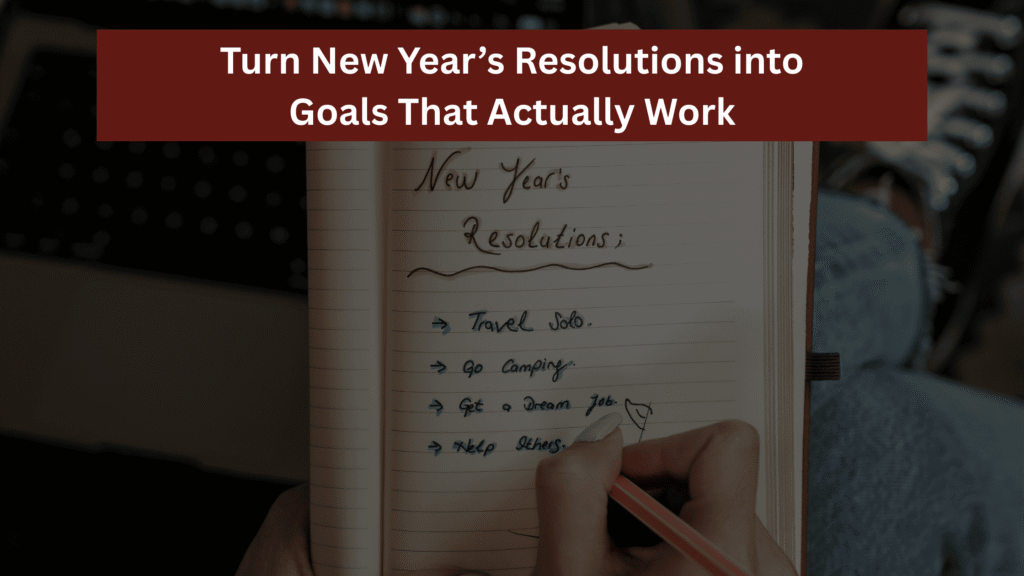
Every year, folks make big promises to themselves as the clock strikes midnight on New Year’s Eve. But here’s the hard truth: studies show that over 80% of those resolutions fizzle out by February. You start strong, full of hope, only to watch your plans slip away. Why does this happen? A resolution is often just a vague wish, like saying you’ll “get fit.” A goal, though, is a clear plan with steps you can follow. This guide gives you a solid framework to turn those wishes into real wins that last all year.
Deconstructing the Resolution: Why Resolutions Fail
Resolutions crash and burn for clear reasons. Let’s break them down so you can spot the traps before they snag you.
The Ambiguity Trap: Vague Intentions vs. Specificity
Think about it. You say, “I’ll eat healthier this year.” Sounds good, right? But what does that mean? Do you cut out snacks? Add more veggies? Without details, it’s easy to quit when life gets busy. Clarity fixes this. Turn vague ideas into specific targets. For example, swap “eat healthier” for “prep three veggie-packed meals each week.” This small shift makes success feel real. Search for ways to make resolutions specific, and you’ll find your path gets smoother right away.
Emotional vs. Logical Motivation
Many resolutions come from guilt or what others expect. You join a gym because ads say you should look a certain way. Excitement fades fast, and by week two, the treadmill collects dust. Goals work better when they tie to what you truly value. Ask yourself: Why do I want this? If saving money matters because you dream of travel, that fire keeps you going. Dig into your “why” to build real drive. It beats chasing trends that don’t fit your life.
Lack of Systemic Planning
People treat resolutions like a quick fix. You declare it once and hope it sticks. But change needs a system, not a single push. Without daily habits or check-ins, old patterns take over. Start seeing your goal as a process. Plan weekly actions that build over time. This way, turning New Year’s resolutions into goals becomes a habit, not a chore.
The SMART Framework: Building Your Goal Blueprint
Ready to build goals that stick? The SMART method is your best tool. It stands for Specific, Measurable, Achievable, Relevant, and Time-bound. Let’s unpack each part to craft a blueprint you can use now.
Specificity and Measurability: Setting Clear Targets
First, make it specific. Ditch fuzzy thoughts. Instead, nail down exactly what you want. Take reading: “Read more” is too broad. Try “Finish 12 non-fiction books by year’s end, one each month.” Now it’s clear. Measurable means you track progress. How many pages a day? Use numbers to see wins. For tricky areas like well-being, set metrics too. Say, “Meditate 10 minutes daily to cut stress.” Track sessions in a journal. This turns dreams into doable steps.
Attainability and Relevance: The Reality Check
Dream big, but keep it real. An achievable goal stretches you without breaking you. Want to run a marathon? If you’re a couch potato, start with 5K races first. Experts talk about “stretch goals, tough but possible. They build confidence. Relevance checks if it fits your big picture. Does this goal match your life vision? Skip fads that don’t. If family time is key, a goal to work less makes sense. Align it all, and motivation stays high.
Time-Bound Execution: The Deadline Imperative
Deadlines light a fire under you. Without one, tasks drag on forever. Set a finish line. For that book goal, mark December 31st. Break it into chunks: one book per month, with weekly reading slots. Milestones create urgency. Miss a small one? Adjust quick. This keeps momentum rolling through the year.
Micro-Habits and Milestone Mapping: The Path to Achievement
Big goals can overwhelm. Chop them up into tiny pieces. This section shows how small steps lead to huge changes.
Breaking Down the Monolith: Chunking Large Goals
A giant target feels like climbing a mountain with no map. Inertia sets in fast. Chunk it instead. Divide into quarters, months, and weeks. For fitness, aim for a 5% weight loss yearly. That means 1.25% per quarter. Monthly, focus on consistent workouts. Weekly, hit three gym sessions. Use a simple template: List your main goal at the top. Below, add 90-day targets, then monthly ones, and weekly tasks. Fill it out today. It turns scary into simple.
The Power of Keystone Habits
Some habits spark others. Call them keystone habits. Pick one small change that ripples out. Behavioral science backs this, tiny actions build momentum. Say your goal is better finances. Start by tracking every penny spent for 30 days. This habit reveals leaks, like coffee runs, and leads to smarter saves. Or for health, drink water first thing each morning. It curbs junk food cravings. Choose one keystone. Watch it unlock the rest.
• Track spending daily.
• Log meals in an app.
• Walk 10 minutes after dinner.
These starters create chains of good choices.
Sequencing Your Steps: Establishing Dependencies
Not all tasks stand alone. Some need basics first. Want a new job in coding? Learn fundamentals before job hunts. List dependencies. Step one: Take an online course. Step two: Build a small project. Step three: Update your resume. Prioritize foundations. This order cuts frustration and speeds progress. Map your sequence on paper. You’ll see the path clearly.
Accountability and Tracking: Maintaining Momentum Past January
January’s easy. February tests you. Stay on track with tools and people who keep you honest.
Implementing Visible Tracking Systems
Seeing progress boosts your brain. Use charts or apps to mark wins. A wall calendar with X’s for completed tasks feels rewarding. Apps like Habitica turn it into a game. Track daily, not just big leaps. Consistency matters more than perfection. Search goal tracking tools, and pick one that fits. A simple streak counter can keep you going months in.
Establishing Accountability Partners or Coaches
Go solo, and slips happen. Share your goal with a friend. Tell them your plan. Better yet, set check-ins – weekly calls or texts. Active accountability works wonders. Research shows social ties double your odds of success. Pick someone reliable. A coach adds structure if you need it. This support turns solo struggles into team efforts.
The Feedback Loop: Review, Adjust, and Iterate
Goals aren’t set in stone. They evolve. Set weekly reviews: What worked? What flopped? Use a quick Plan-Do-Check-Act loop. Plan your week. Do the tasks. Check results. Act on tweaks. Bi-weekly works too if life’s hectic. This keeps you flexible. Adjust for roadblocks, like a busy schedule. Iteration makes your system stronger over time.
Goal Mastery for the New Year and Beyond
You’ve got the tools now. Shift from fluffy resolutions to SMART goals, backed by habits and checks. The real win is the process – steady steps that shape your year. Don’t wait for January 1, 2026. Pick one resolution today. Make it specific. Chunk it. Track it. Lasting change starts with that first move.
Here are the top actions to take right now:
• Write one resolution as a SMART goal.
• Break it into weekly chunks.
• Find an accountability buddy for check-ins.
• Start a simple tracker this week.
Turn wishes into wins. Your best year awaits.
Achieving your New Year’s goals often starts with making smarter everyday choices, whether it’s upgrading your lifestyle, finding meaningful gifts, or discovering products that genuinely add value to your routine. Instead of spending hours browsing multiple platforms, having a single place where you can quickly discover curated products across lifestyle, home, books, and gifting categories can make sticking to your resolutions much easier.
Platforms like Find It Quicker help simplify this process by bringing together trending and useful finds in one place, allowing you to focus more on consistency and progress rather than decision fatigue. When your tools and choices support your goals, staying committed becomes far more achievable.